The F1 Times

F101

Pitstops

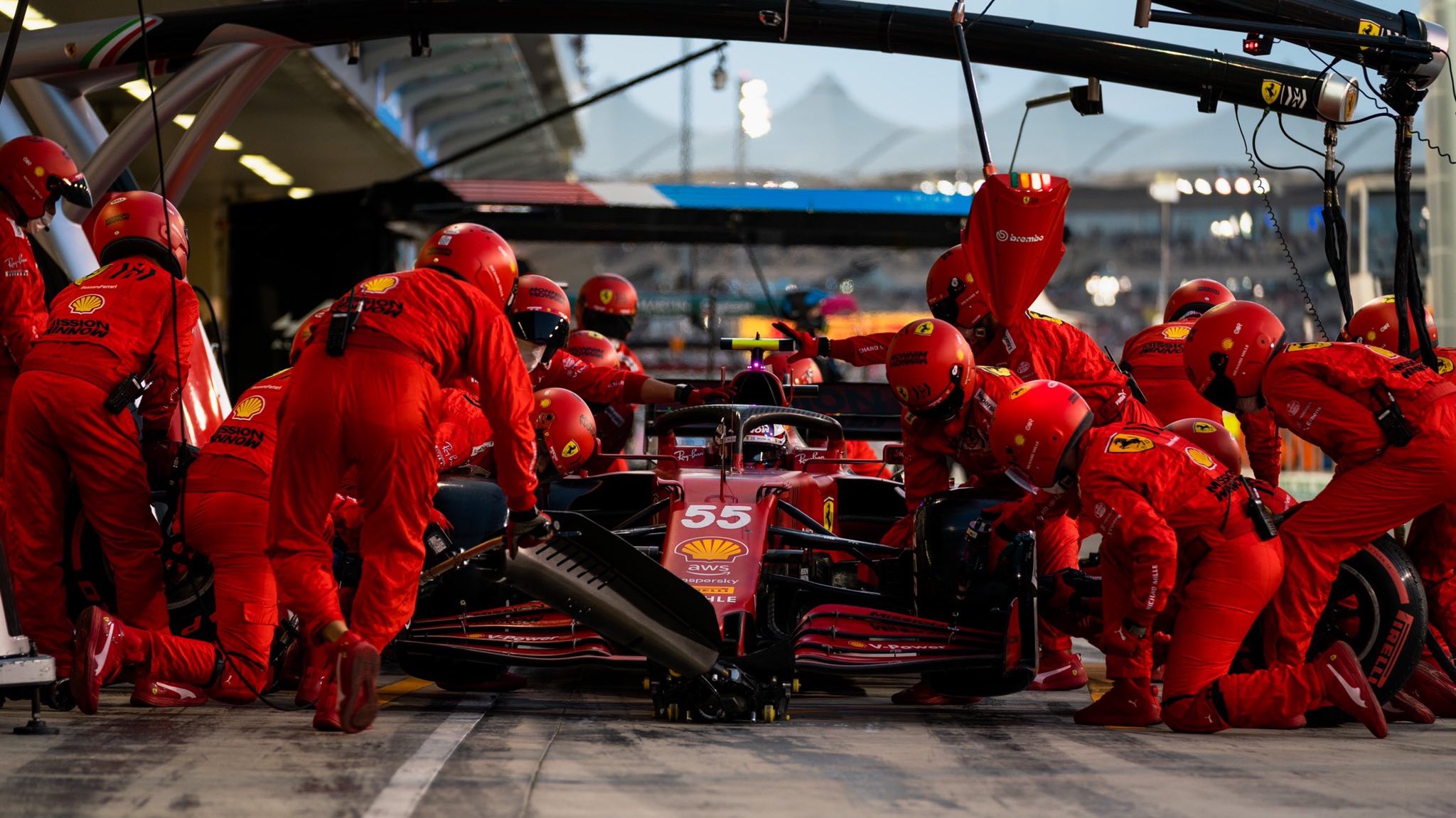
In the world of motorsport, not exclusive to formula one, pitstops are generally used for refueling, new tyre, repairs, mechanical adjustments, driver change, time penalties, or any combination of those stated mid race. These come into the strategy of each team's race plan as pitstop timing and what they plan to do will affect the driver’s time. Long pitstops can cause the loss of track position during races.

As mentioned before, teams are required to do at least one pitstop per dry race changing tyre compounds. Due to the set amount of fuel introduced in the turbo-hybrid era, teams no longer use pitstops for refueling and mainly stick to tyre changes. Additionally, from races of the early 50s showcased pitstops of over minutes long, today, teams can take as fast as 2 seconds to have 4 new tyres ready for the driver to continue his race.

These stops are done in the pitlane, a location where all engineers, mechanics spend their time monitoring the car’s data coming up with strategies to bring the team the best results. One part of pitstop strategy comes in with the use of tyre compounds.
Tyre Compounds

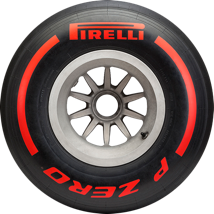
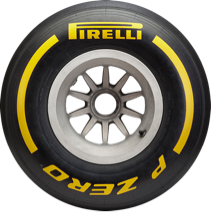
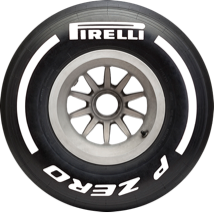
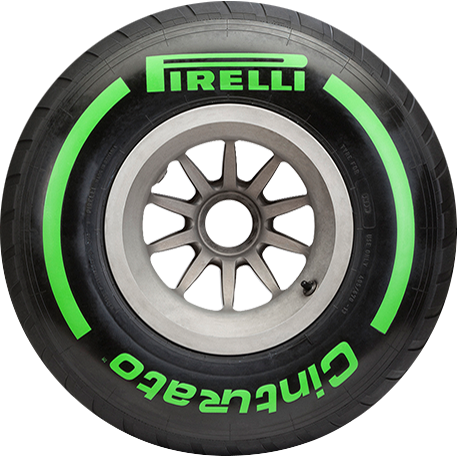
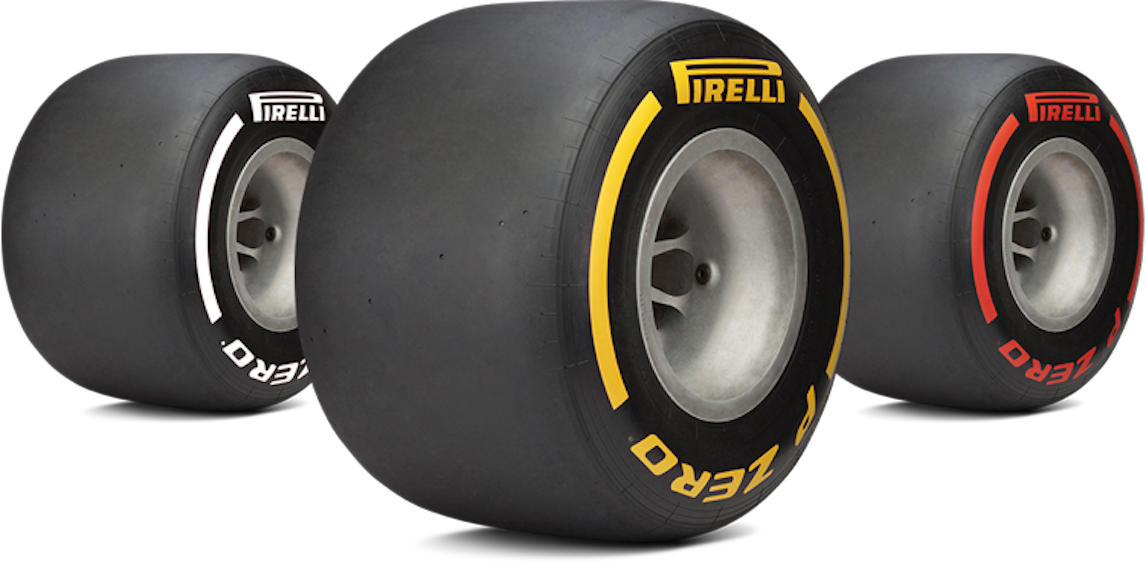
C1, C2, C3, C4, C5, softs, mediums, and hards, play a big part of a team, and driver’s victory, these are the tyres and their tyre strategy. Part of the technological innovation of the sport comes at finding ways to optimize tyre usage for fewer pitstops and how to reach that ideal heat for tyres quicker resulting more grip on the track and faster speeds. An example of this would be Mercedes’ 2020 incorporation of a Dual Axis Steering or DAS. While it is now banned, it was a mechanism of the car steering wheel able to manipulate the direction of the two front wheels when the former is pulled back and forth used for warming up tyres. While optimal temperatures are important studying the basics of tyre compounds will give you a better understanding of a team's strategy during a race weekend.

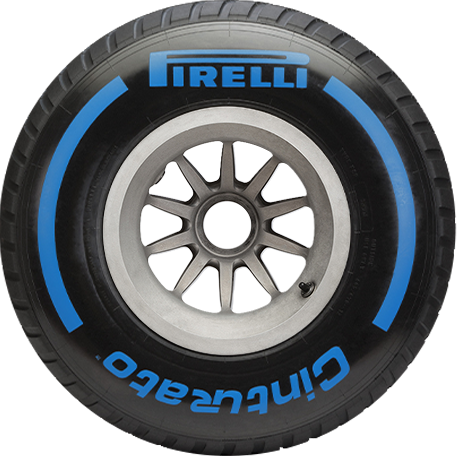
As Formula 1 has partnered with multiple tyre companies over the years, its current partner Pirelli has been supplying wheels to all teams since 2011. In consideration of both weather conditions, the 2021 season makes use of two types of tyres: wets (for races like the Belgian Grand Prix) and slicks (used in races like the USGP and Italian Grand Prix). Over the season, teams made use of 5 different dry tyre compounds, C1, C2, C3, C4, & C5, ordered from hardest to softest and two wet weather tyres which depend on the type of rain conditions on the track–Intermediates for less rain and Wets used when there is more. Harder tyres are more difficult to heat up in a race but last longer,and softer tyres get to the tyres ideal heat and establihs more grip faster thus allowing the car to travel faster. Soft tyres, however, don’t maintain grip very long and can overheat and become slippery within a matter of laps. While there are 5 different compounds only 3 are selected and used every race weekend. Pre-selected by Pirelli, the softest compound chosen on a weekend will be allocated as the soft tyres, next hardest, and hardest as mediums and hards respectively. Teams are provided with 13 sets of slick tyres–3 are saved for the main race–and 7 sets for the wet weather (4 intermediates and 3 wets).

Safety Car

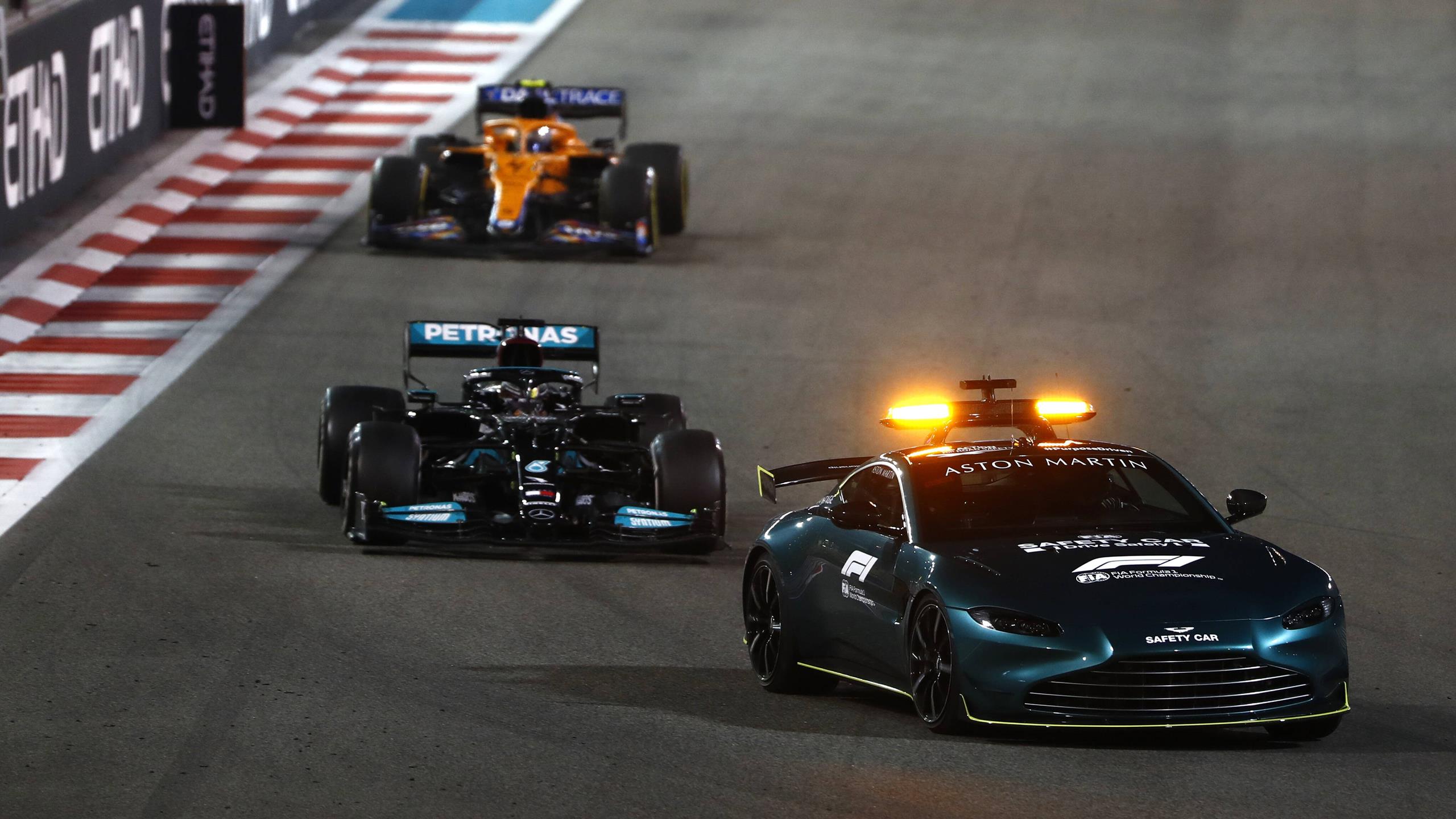
Introduced in 1993 the Safety car (SC), often seen together with a yellow flag has become integral to maintaining safety in races sometimes playing a part in the outcome of a Grand Prix. The 2021 season set a record for the total number of SC deployments, 40% higher than the second on the list in 2008. At the occurrence of an incident in which debris falls on track, a safety car of Aston Martin or Mercedes AMG (Official Formula 1 Safety car partners) is deployed to limit the speed of cars as overtaking the safety car is prohibited unless direct orders are given from the race director. At which time the safety car steers off track is a signal to drivers that they can go back to racing at normal speeds and overtaking. Race officals can also deploy a Virtual Safety Car for a brief race control as same rules apply in this situation.

Flags

There is no doubt that every race weekend is filled with a great number of events, overtakes, wins, and at times some engine failures and crashes. To maintain order within these weekends, race officials directly communicate with drivers to indicate caution or danger, relay important info, warn them of unsportsmanlike behaviors, even signal the end to every race session. If you’ve watched an F1 race before or planning to watch one in the future, here are the meanings of the flags waved during a race–from those seen almost every weekend to those last seen in 2007.

Yellow Flag

One of the most commonly used flag in Formula 1, the yellow flag indicates any case of danger whether it be due to collision, mechanical or electrical failure, or problems with the circuit. How it is waved is also crucial as these can mean different things.
A single waved yellow flag warns drivers to slow down and a double waved yellow flag lets them know that they must reduce their speed immediately and be prepared to stop or change direction. If the yellow flag is merely raised, it warns drivers that there is a hazard near the racing surface such as debris or a stopped car. Penalties could be issued to drivers who refused to reduce their speed during a yellow flag. Overtaking is prohibited if the flag is raised except for if a car is visibly slowing down.
During practice or qualifying, drivers that are waved double yellow flags automatically have their lap times deleted, this is to stop drivers from making up speed to cancel out the reduced in another sector.

Red Flag

This used to be a flag rarely used in the race but out of the 79 red flag races in Formula 1 history, 6 of them occurred in the 2021 season. When this flag is raised the race session is automatically suspended. This is due to the imminent dangers to drivers and spectators of the weekend caused by poor track conditions, accidents due to bad weather, or interruptions like a group of animals on track. In the 2021 season, races in Imola, Baku, Silverstone, Hungaroring, Spa, and Jeddah were all red-flagged due to numerous incidents.

Green Flag

Green Flags come at a great enjoyment for audiences as this indicates the resume of racing. If a race or racing session is paused due to prior incidents in which a yellow or red flag is raised the green flag means any potential danger on track has been cleared and drivers can resume and overtake at a normal speed. This is also waved at the start of the race to let everyone know it has begun.

Blue Flag

This is used to tell any driver in front one or more laps down to let the faster car behind him through. Slower cars must allow faster ones to pass before 3 blue flags are shown which risks being awarded a penalty. The blue flag is also shown at the pit lane exists to warn a driver of a faster car behind them on the racing line.

Yellow and Red Flag

This flag is used to let drivers know that the track has become slippery due to oil, water, or debris. When the flag is rocked from side to side, this means an animal is roaming around the track– these happen on occasion just like when groundhogs appeared in the Montreal circuit.

White Flag

Contrary to the white flag symbolizing a sign of surrender, instead, white flags indicate slow-moving vehicles or miscellaneous ones like the media car is on the track. This is often waved at the last corner or when free practice ends.

Black Flag

If a driver’s number is waved with the black flag they must return to the pits immediately as this indicates they are disqualified from the race. Grounds of disqualification can range from dangerous driving and technical breaches. This was last waved at the 2007 Canadian Grand Prix to drivers Felipe Massa and Giancarlo Fisichella for exiting the pitlane while the engine light remained on.
Considering this hasn’t been used for 15 years, the recent seasons have the FIA using other means using penalties and penalties points to slap drivers in their backs.

Black and White Flag

The diagonal black and white flag waved with a driver’s number are to warn them of unsportsmanlike behavior. If they were to continue that behavior it could’ve been followed by a penalty or more severe results, disqualification.

Chequered Flag

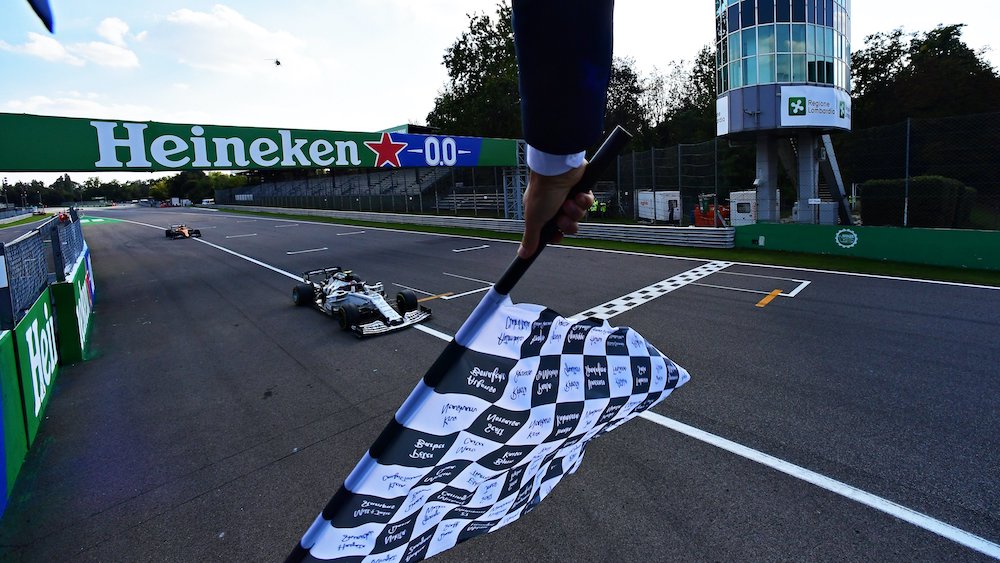
Waved at the end of the race and end of qualifying & free practice sessions. The chequered flag is there to indicate the end is waved at the leading driver as he completes the race.
Timing is crucial in waving this flag as there were instances the flag would be waved a lap early, just like the 2019 Japanese Grand Prix as it was waved and race results were taken a lap in advance.

Point System

As both driver’s championships are centered around the accumulation of points the number of drivers awarded per race and the number of points given has changed throughout F1 history.

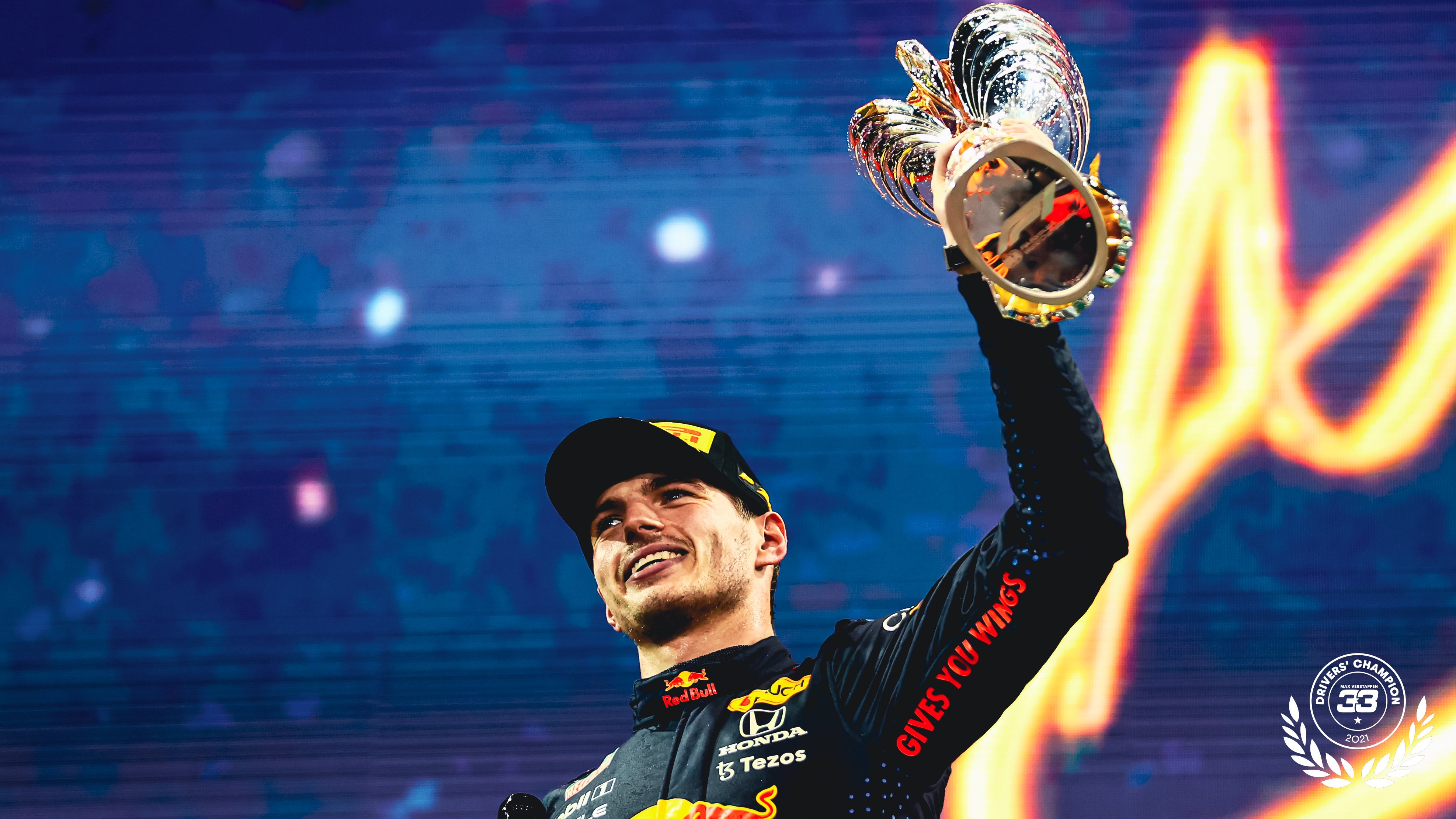
For the current 2021 season, the current system awards the top 10 positions (25-18-15-12-10-8-6-4-2-1), plus a point if the driver achieves the fast lap of the event (awarded only if he places top 10). This system has been emplaced since 2010 when Sebastian Vettel took the driver’s title with Redbull. Before that, the competition was originally awarded until 5th place with 8-6-4-2-1 points, the FIA have made changes to the system with 9-6-4-3-2-1 in 2009 until 6th place; 10-8-6-4-3-2-1 in 2003

References

Motorsport.com (2021, December 15). Insider's guide: What are F1’s tyre rules?.https://www.motorsport.com/f1/news/insiders-guide-what-are-f1s-tyre-rules/6885458/?nrt=54

Pirelli (n.d.). F1 TIRES. https://www.pirelli.com/tires/en-us/motorsport/f1/tires

Terrel, A. (2020, February 20). DAS explained: What we know so far about Mercedes' trick new steering system. https://www.the-sun.com/sport/4256815/how-does-the-f1-safety-car-work/

Formula 1. (2021, April 21). SAFETY FIRST How does the F1 safety car work?. https://www.formula1.com/en/latest/article.das-explained-what-we-know-so-far-about-mercedes-trick-new-steering-system.